Attention to fine details
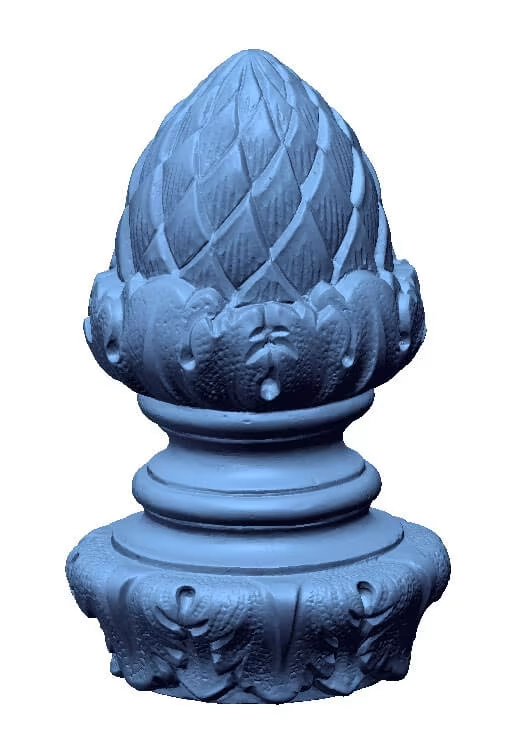
To reproduce this part, we made an optical 3D scan and used it as a reference for reverse engineering a new CAD model.
We used an ‘auto-surface’ modelling approach.

Process: step by step
Process
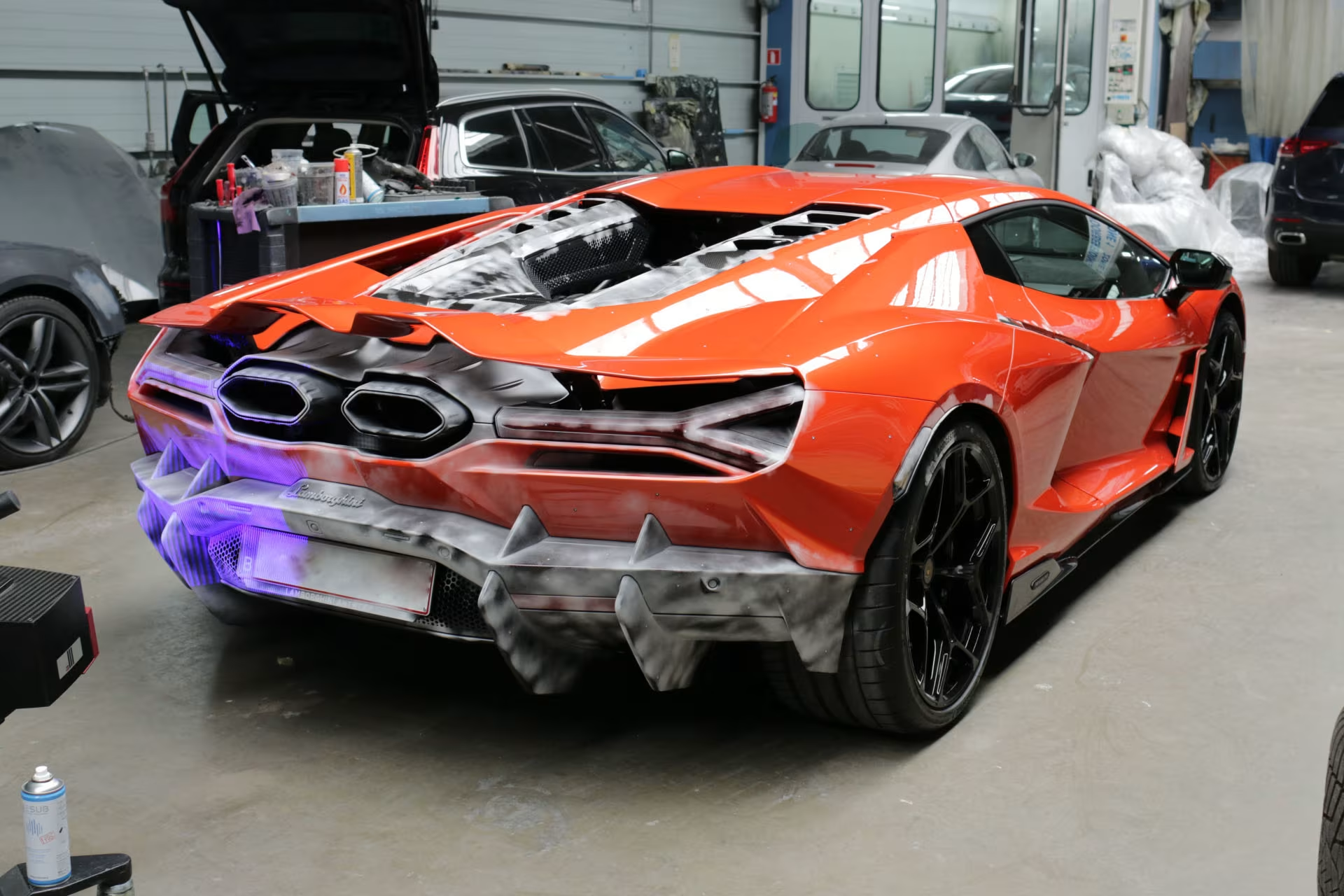
- Spraying of the object with water based anti-reflex spray
- Setup in free state with some reference points on the object
- Digitizing of the object
Technology
- GOM Atos III Triple scan with a 100MV (measuring volume)
- Automated rotation table
Post-processing
- Closing some small holes
- Filtering of the scan to reduce the file size
- Converting to CAD-data
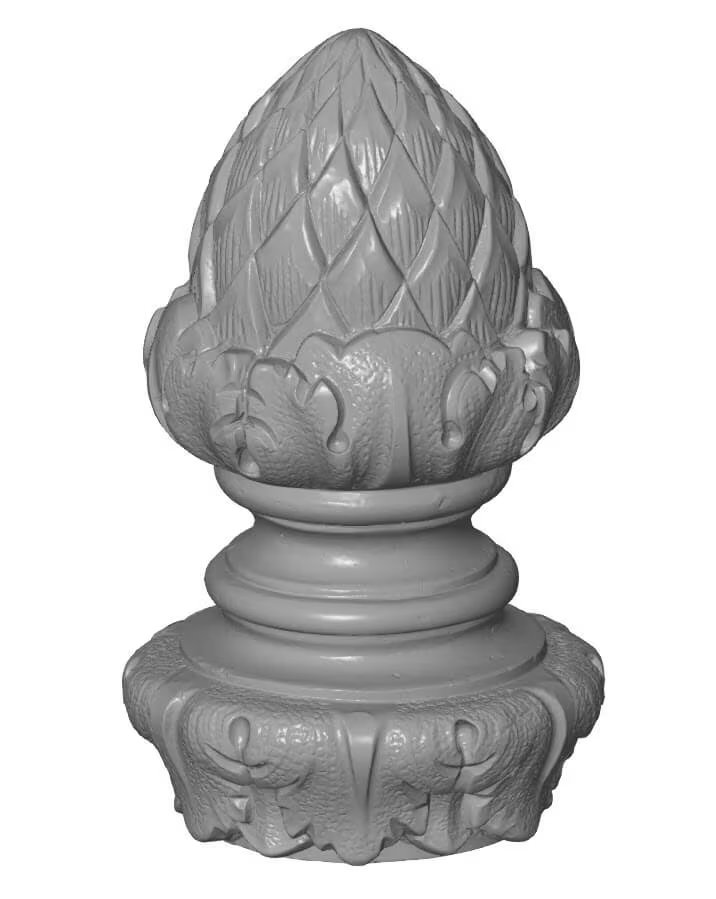
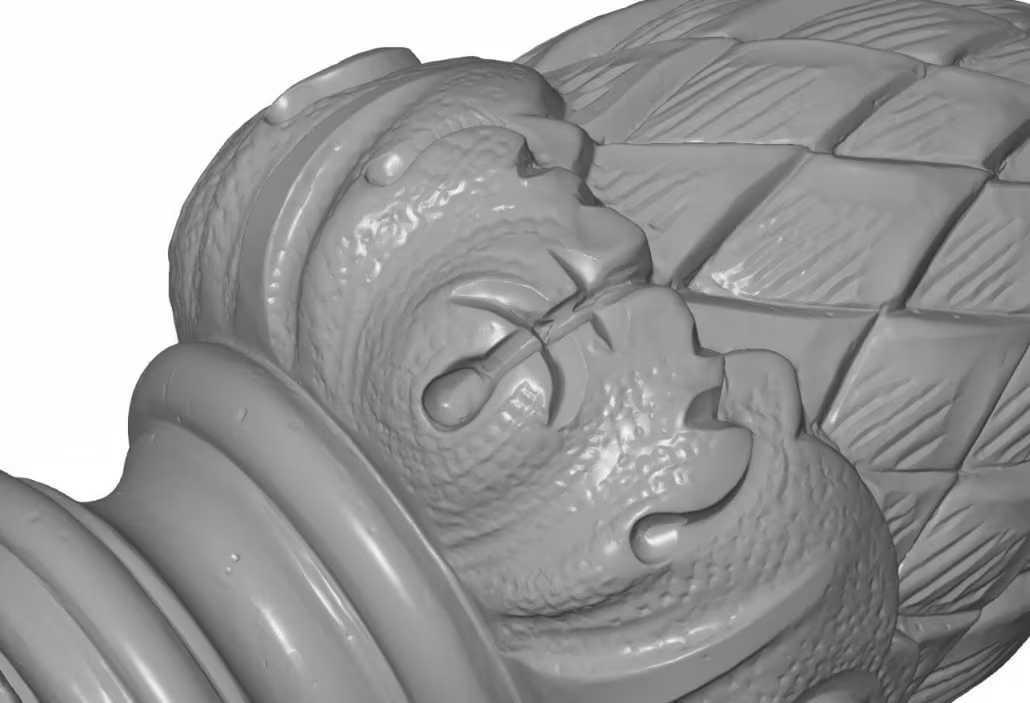
3D Scan results
The screenshots below show the final mesh.

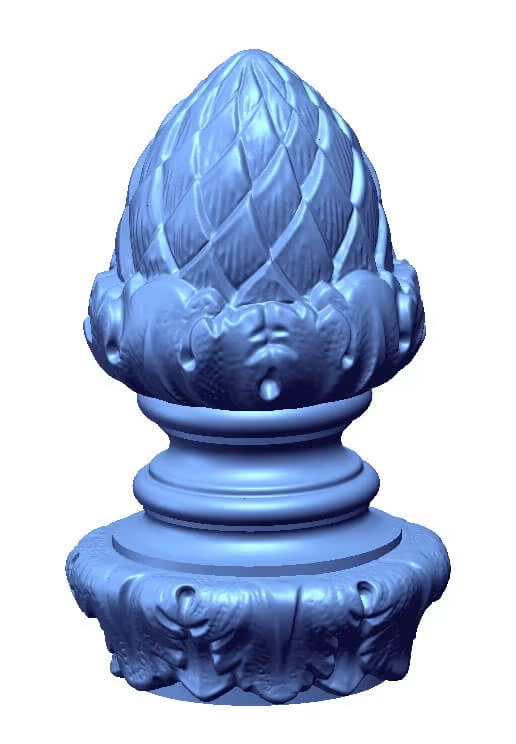
Reverse Engineering
For this project we needed to convert the *.stl data to *.stp (step-file) or CAD data so that our client could incorporate the file right away in their CAD software.
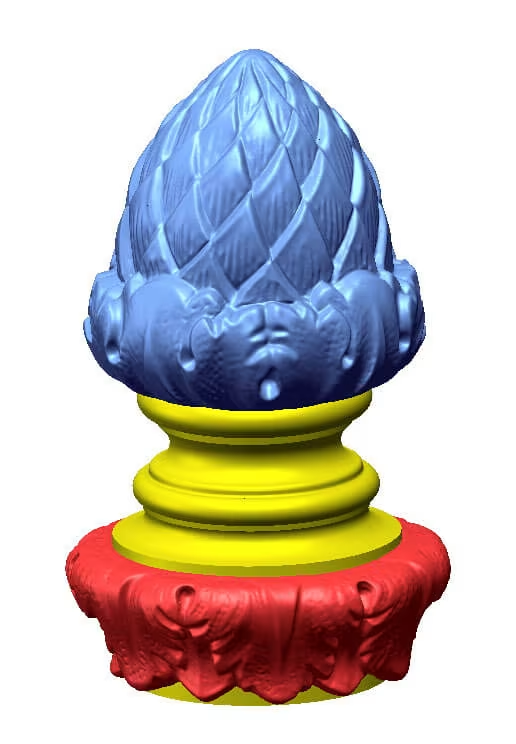
We converted the artistic/sculpted portion of the object with an autosurfacing functionallity and the more geometric portion by using traditional sketching.
With the autosurfacing there is a slight loss of detail, but the final model still captures the original intend of the artist.
We also splitted the model in different bodies so that parts of it could be re-used in future designs.