CT scanning of different materials: Cork
Cork, a material that has been used for centuries to cap wine bottles, has a fascinating story. It all starts with the cork oak tree (“Quercus suber”), an unusual tree found mainly in countries such as Portugal, Spain and parts of North Africa.
What makes cork so special is not only its natural durability and elasticity, but also the way it is harvested.
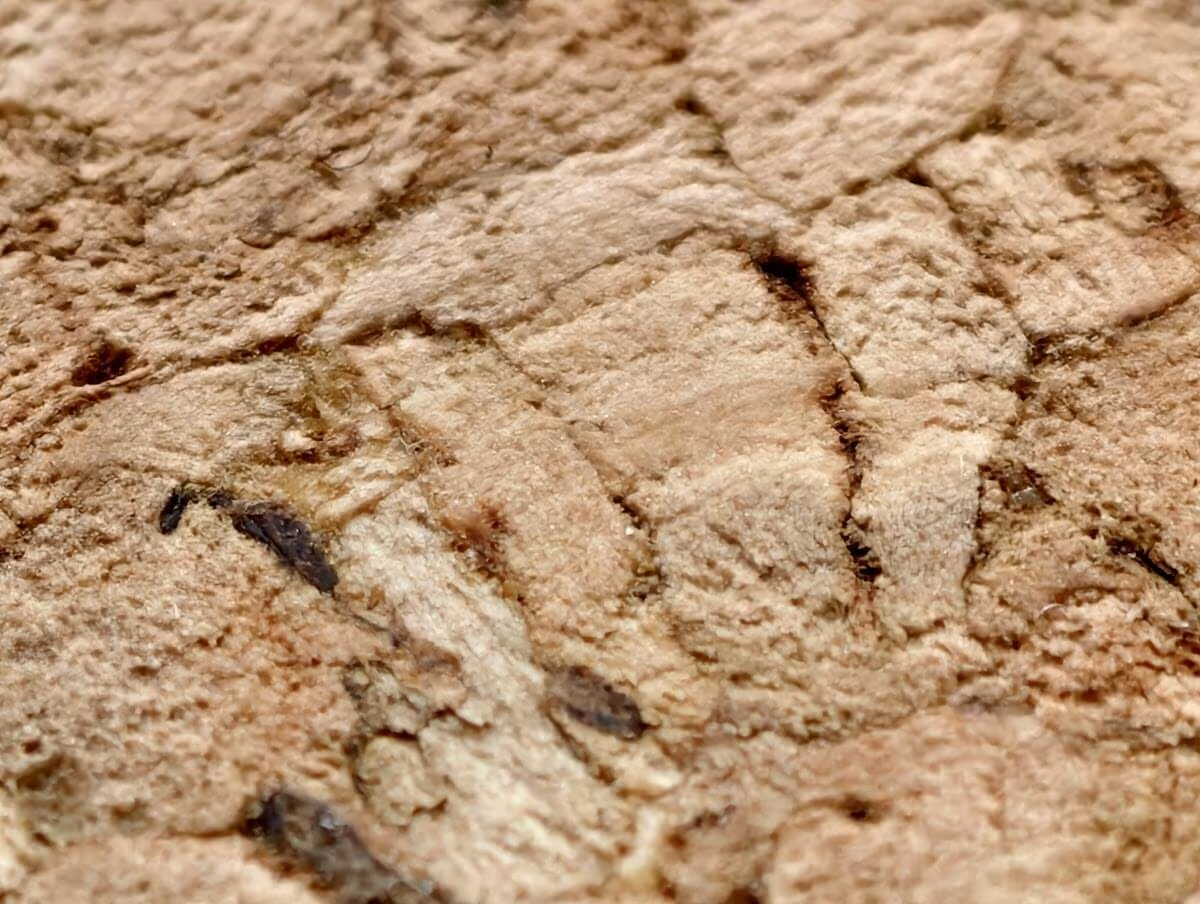
CT scanning allows us to capture and inspect the beautiful details of this natural product.
Harvesting cork: a process of Patience
Cork harvesting is a unique process closely linked to respect for nature.
A cork oak cannot be harvested for the first time until the tree is about 25 years old. After that, the bark may only be removed every nine years. This sustainable harvesting process does not damage the tree; the cork grows back again and again, allowing the tree to live up to 200 years.
This slow and careful cycle ensures that each cork is unique. Each piece tells its own story, shaped by the environment and the growing process.
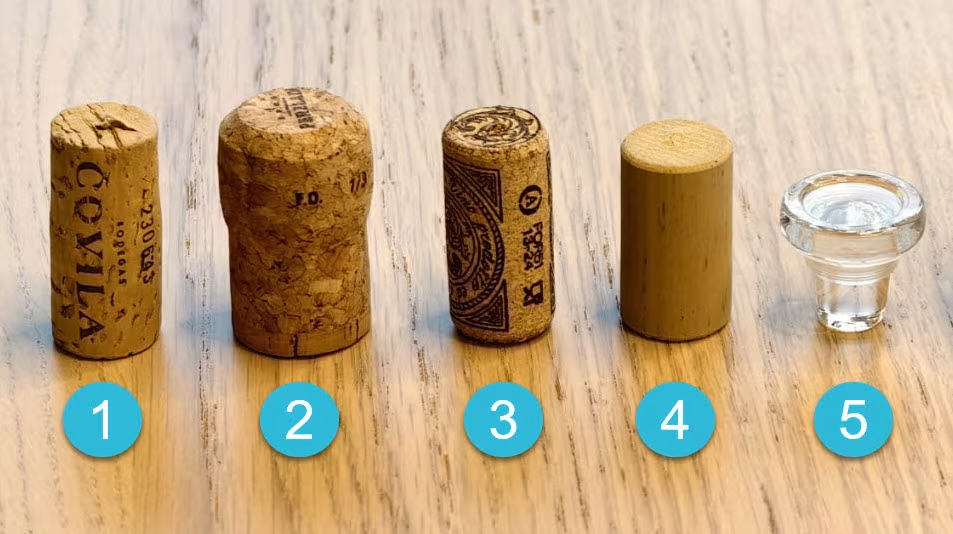
Overview of all the corks we examined
We put all of these corks into our CT scanner:
- Natural cork
- Combination natural and agglomerated cork
- Agglomerated cork
- Synthetic cork
- Glass ‘cork’
1. Natural cork
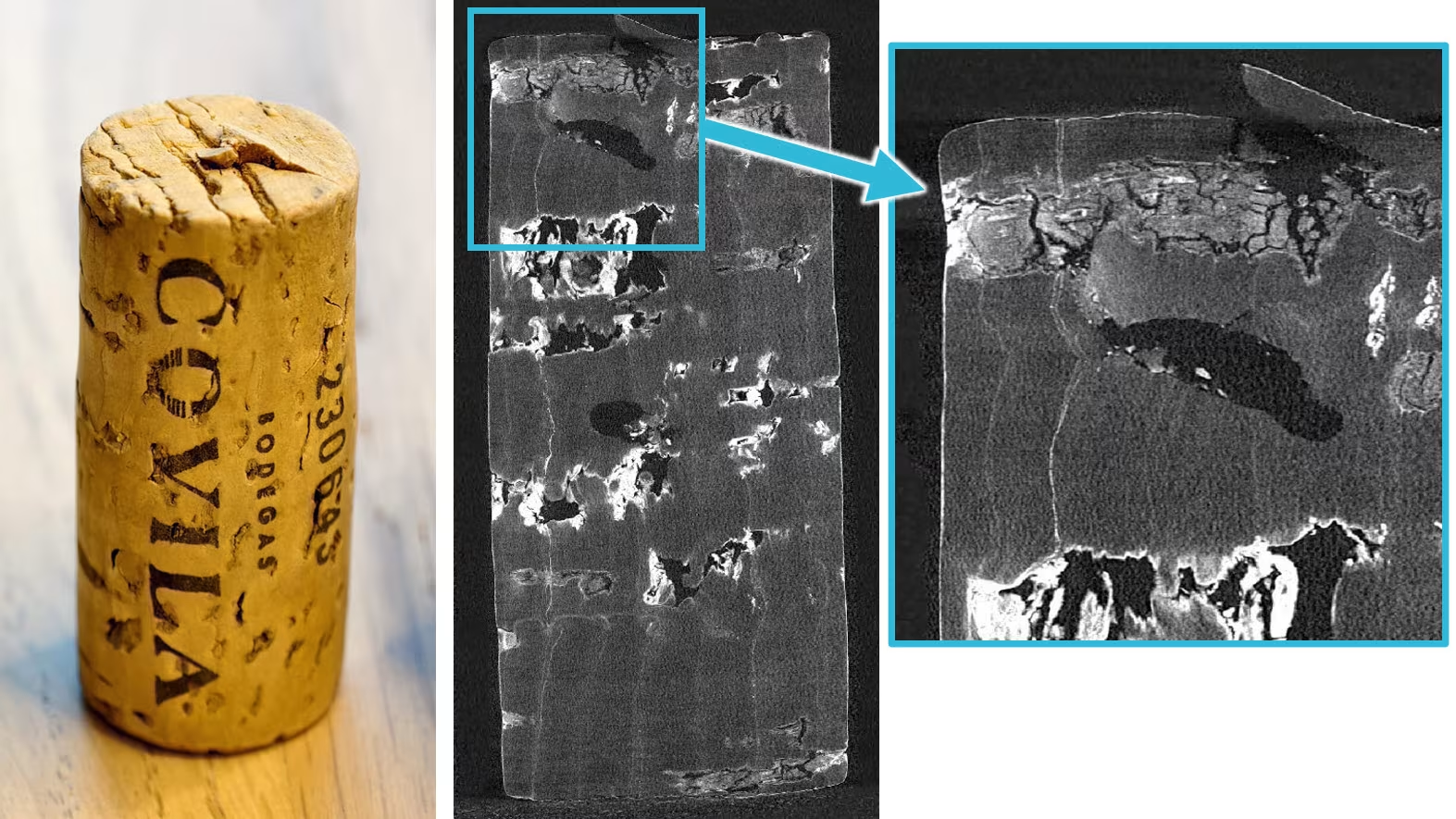
The first cork of this research is made from 1 complete piece of natural cork. It is individually punched from the bark.
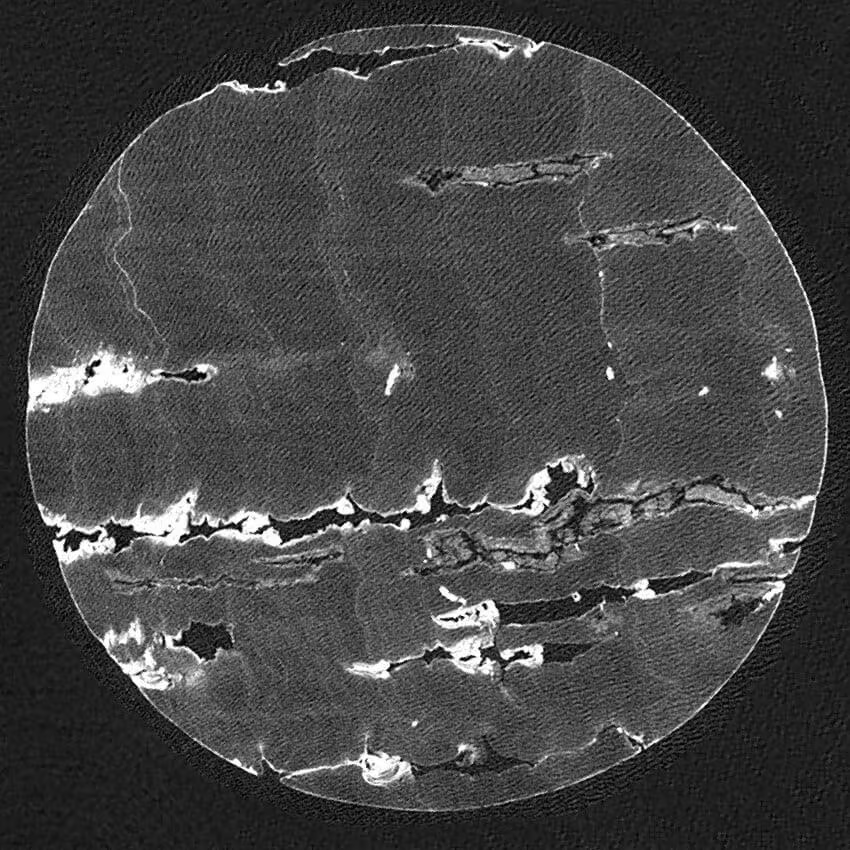
On the CT scan slice, you can clearly see the growth lines.
You can recognize 8 growth years, which means that the diameter of the cork is only slightly smaller than the full width (9 growth years) of the cork layer.
On the outside, you can see a thin white line. This indicates that there is a denser material here around the cork. This is a special coating, often based on kerosene or silicone.
2. Combination natural and agglomerated cork
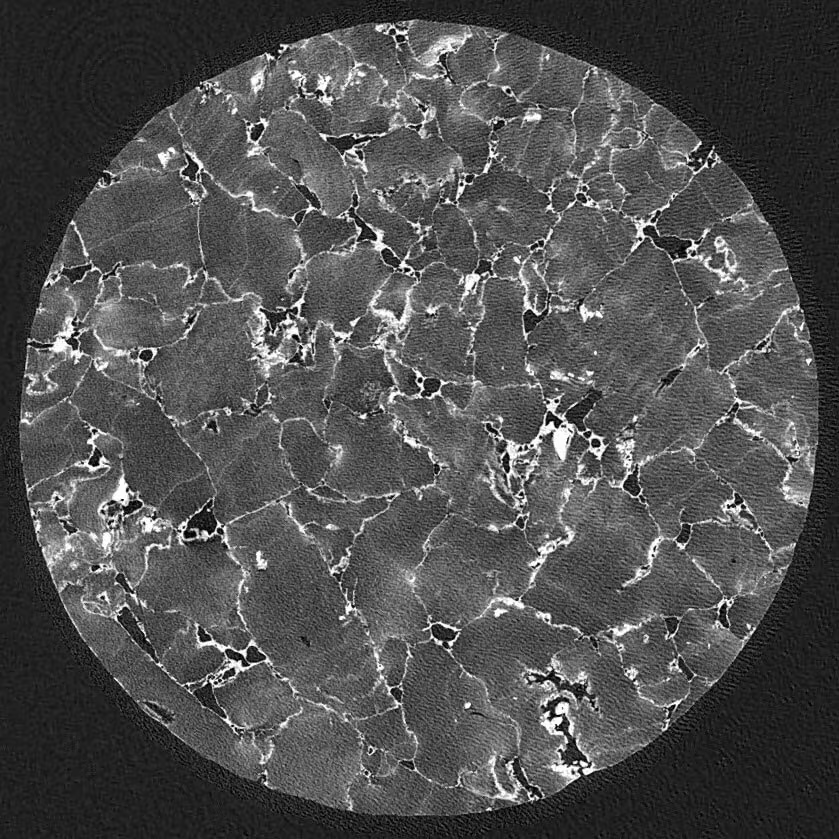
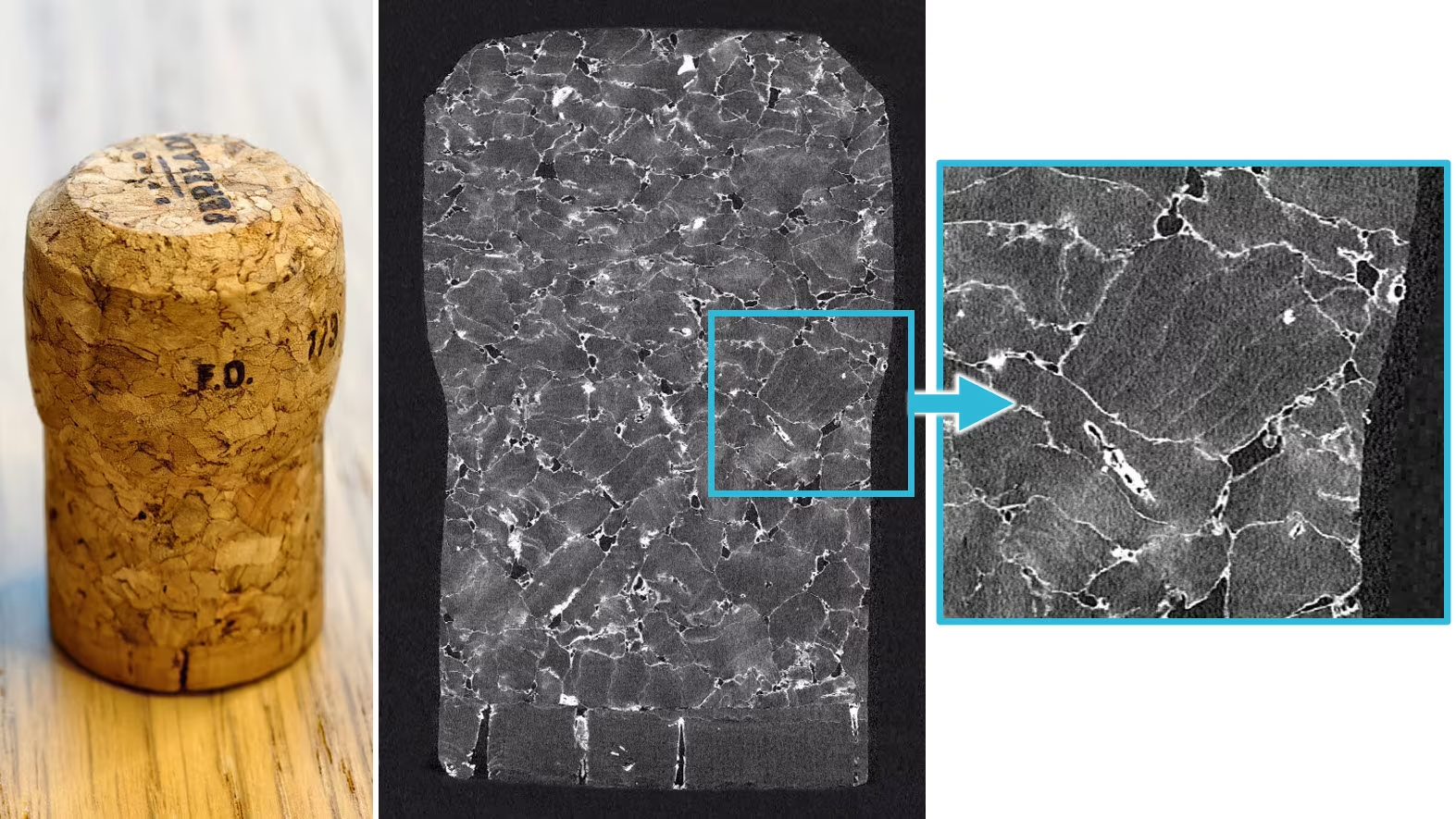
This type of cork is usually used for wine with bubbles. The cork then consists mainly of compressed cork with a disc of natural cork at the bottom. This disc is intended to enhance the air permeability of the stopper.
Such a Champagne cork has a typical mushroom shape. This is because the cork is originally 50% larger than the neck of the bottle before it is pressed in.
This is necessary to control the 6 to 8 bar pressure in the bottle.
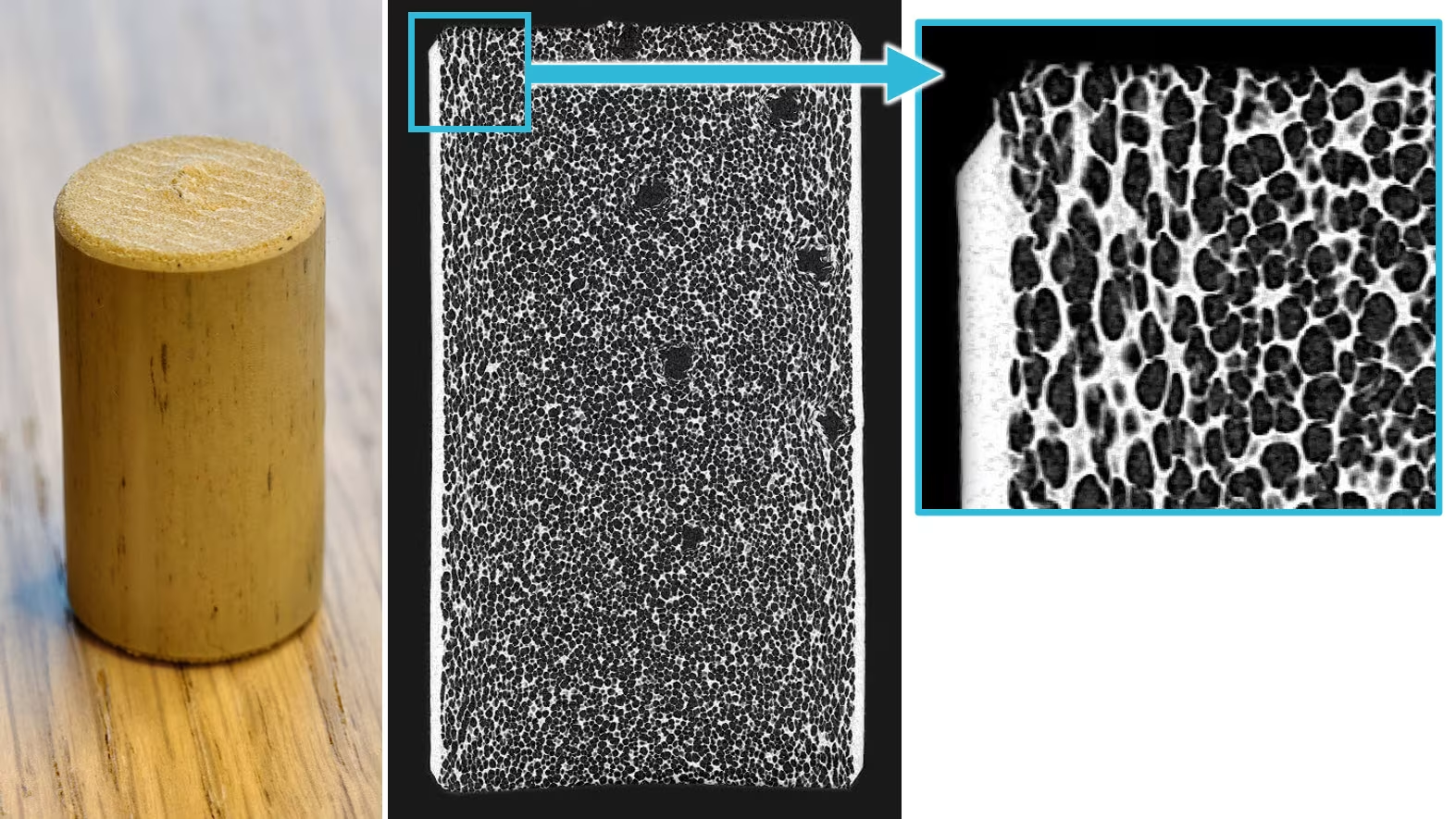
In the detail image below, you can see that quite large pieces of natural cork were used. On one of the pieces, again, you can clearly see the growth lines.
3. Agglomerated cork
Grainy corks or agglomerate corks are an inexpensive alternative for wines intended for almost immediate consumption.
These corks use granules from the production of natural corks and offer a maximum wine storage period of two years.
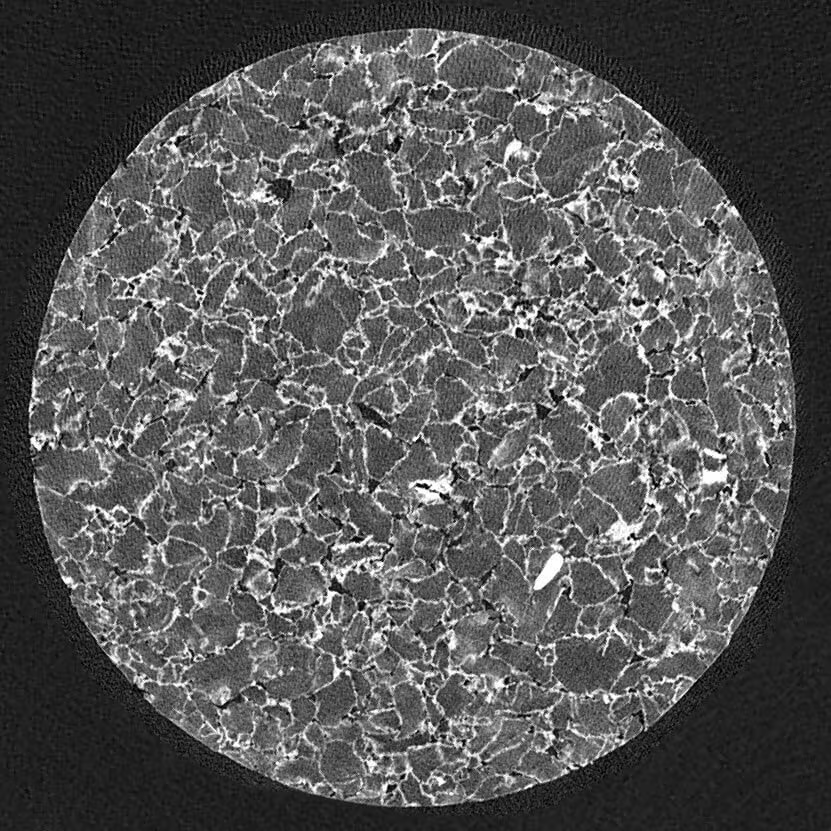
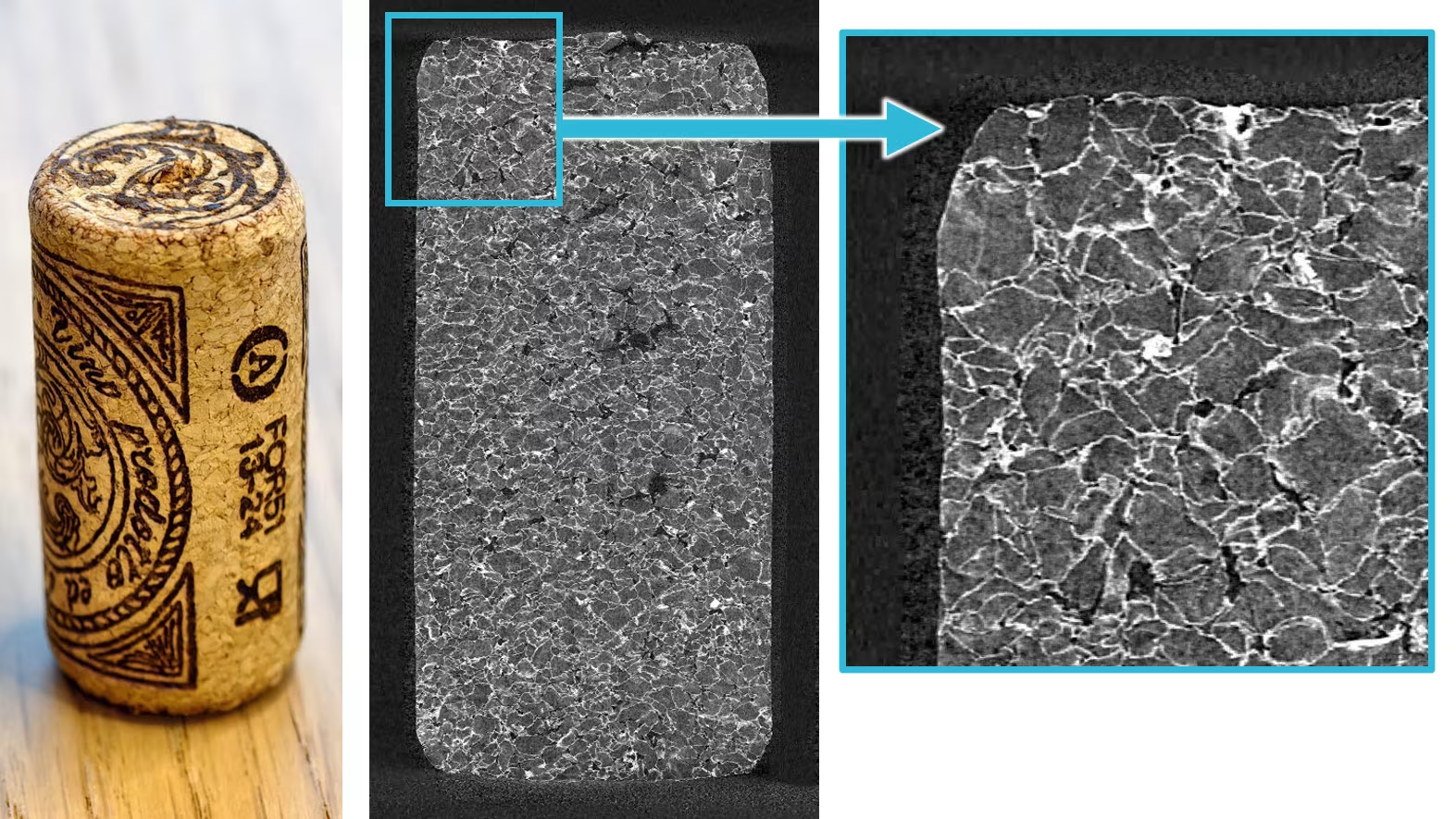
Residues from the punching process are used to make the granules, which are then ground. Then they are put together with food-grade glue.
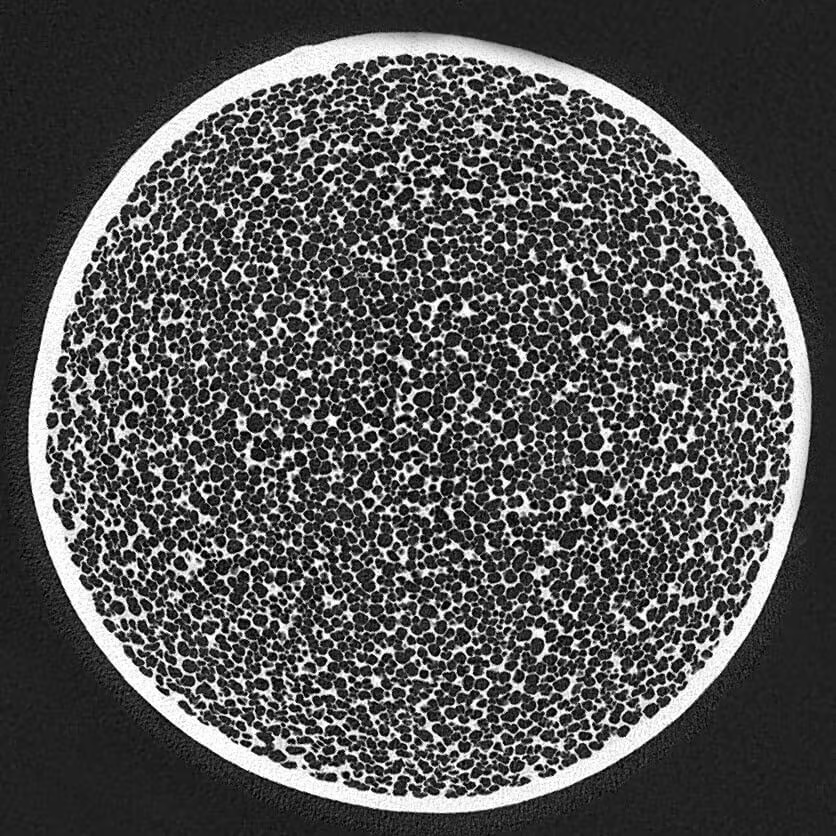
In the CT images, you can clearly see this glue by its whiter color compared to the gray cork particles.
4. Synthetic cork
Synthetic corks are usually made of oil-based plastic. However, some manufacturers of synthetic cork are also experimenting with using plant-based polymers derived from corn and sugarcane.
For wine producers pursuing a scientific level of oxygen transport, synthetic corks may be useful. These materials can be made in different densities and from different materials, allowing them to have predetermined air transfer rates.
In the CT images, you can clearly see how this cork has rather a spongy structure inside.
Below you can also clearly see where the corkscrew sat and left a spiral path.
5. Glass ‘cork’
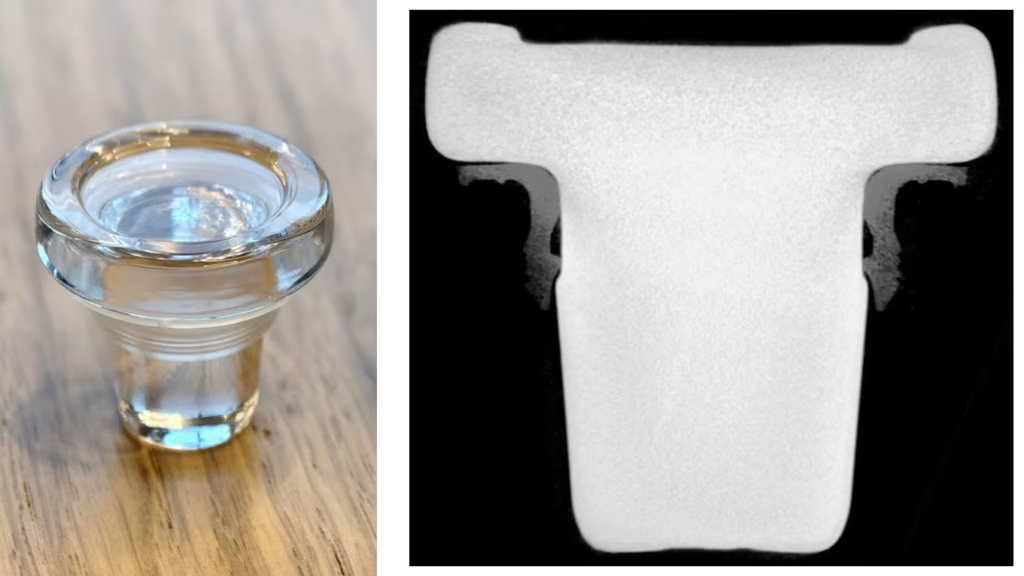
The sophisticated, expensive glass stopper is made of glass surrounded by a piece of plastic to create a good seal.
This construction makes these corks reusable and environmentally friendly.
Glass is a lot denser than plastic. This means that scanning the glass is still possible on its own, but the plastic is more difficult to distinguish on the CT scan because of artifacts and a greater level of noise in this area.
In the images below, we tried to visualize the plastic as best we could, but you can see that the edges fade a bit.
So it would also not be possible to make a good surface determination or mesh from the plastic part.